Photo Techniques For Viewing And More

Photography is not hard. It may seem hard for a beginner. In this articles are easy to follow photo techniques you can start using right now. This is an easy technique to take better shots. Be sure to practice as much as possible and experiment with different ideas and techniques as well.
* A Guide For Newbies In Photography * Achieving The Wedding Photography Of A Couple's Dreams * Aerial Photography * Become A Competent Professional Photographer * Black And White Photography * Capturing Images On Creatures Of Nature * Determining The Best Angle In Photography * Different Kinds Of Filters For A Camera * Enjoy The Hobby Of Capturing Wonderful Pictures * Features Of Zoom Lenses * Maintenance and Cleaning * exposure bracketing * Get The Most Out Of Taking Great Pictures * Guides To Help You Improve The Quality Of Your Food Pictures * Having The Proper Lighting In Photography * Having Your Own Photography Lab * How A Digital Camera Works * On Loading Film On A Manual Camera * Proper Makeup To Capture The Perfect Shot * Selecting The Correct Camera * Shoot Like Professionals * Starting A Photography Business * Strategies For Portrait Photography * The Appropriate Selection Of A Photography School * The Benefits That Photography Clubs Can Bring * The Best Time To Choose A Wide Angle Lens * The Role Of Photojournalism * The Things That You Have To Consider When Buying A Camera * The World Of Modern Photography * Tips On Exercise Good Travel Photography * Tips On Taking Pictures With A Digital Camera * Use Of Depth Of Field Lenses Wisely * Choosing Your First Digital Camera * All About Digital Photography Secrets * 267 Simple Tips for Sensational Photos * Digital Photography Software * Photo Editors For Windows - Top Picks * A Guide to Professional Styles and Techniques in the Art of Digital Wedding Photography * Tips on Making the Best Digital Wedding Photography even Better * Digital Enhancement for Picture-Perfect Photo Prints * The Boost of Digital Photography in the Fashion Industry * A Closer Look at Digital Photography * The Greatness of Digital Photography * Understanding Digital Photography: Techniques in Getting a Great Picture * Macro Digital Photography: Some Concerns * Mastering Digital SLR Cameras is Mastering Photography Itself * Art or Science: the True Nature of Digital Photography * How to Achieve Picture Perfect Shots via Digital Photography * Digital Photography Made Eas * Top Reasons to Opt to Digital Photography * The Art of Digital Photography * Goodbye to Films, Say Hello to Digital Cameras * Digital Photography Lighting for Picture-Perfect Photos * Choosing a Printer for Digital Photography * Have You Read any Digital Photography Review Lately?v * Choosing a Printer for Digital Photography * Choose Your Own Photo Editing Software * Digital Photography Tip #1: Don’t Assume that DigiCams Do All The Work! * Let’s Get Digital: SLR Photography Basics * Taking Wedding Pictorials One Step Forward with Digital Photography * Getting the Right Angles on Digital Nude Photography * Your Choice of Digital Photography Printing

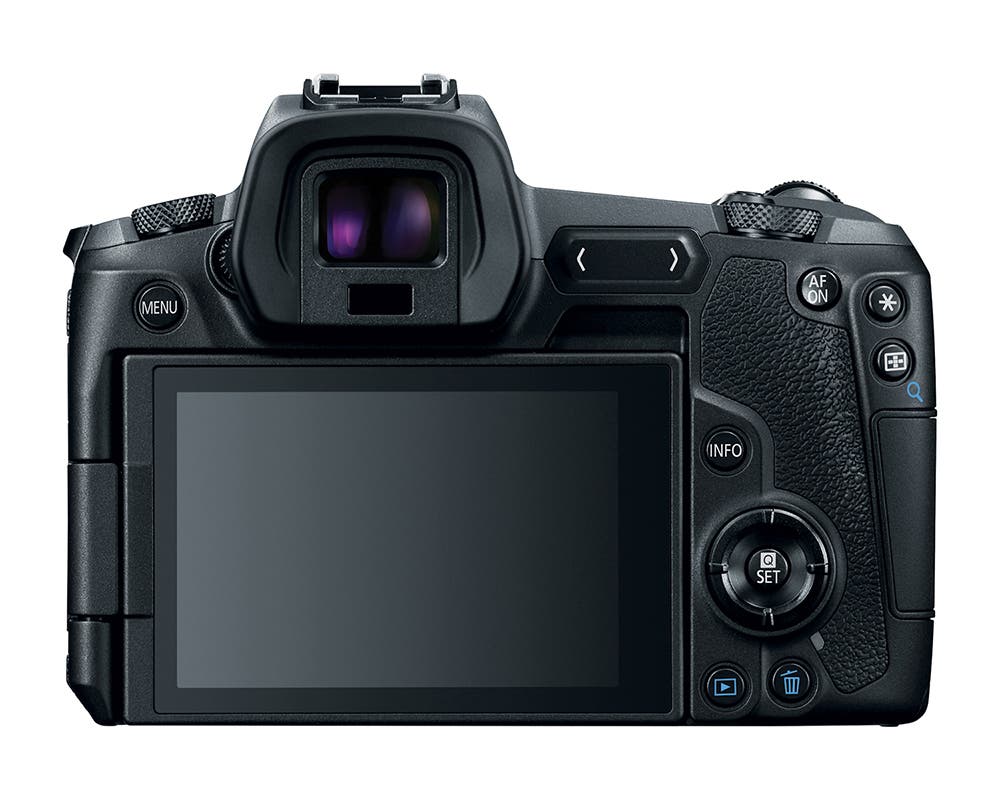
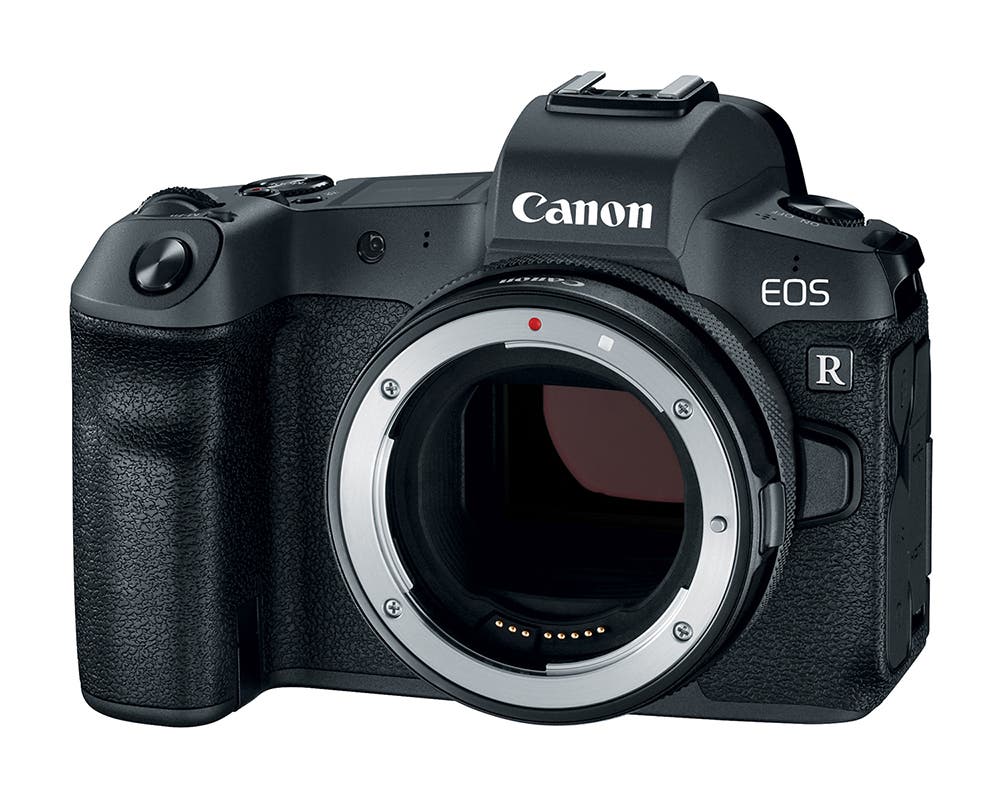
Canon EOS R mirrorless camera

https://www.adorama.com/alc/canon-eos-r-canon-debuts-new-full-frame-mirrorless-camera-system

The wait is over! Canon users have long been clamoring for a full-frame mirrorless camera from the brand, and today we finally get our first look at the EOS R—Canon’s first full-frame mirrorless camera and lens system.

Canon has officially debuted their new EOS R mirrorless camera, which boasts a 30.3MP full-frame sensor and the brand’s DIGIC 8 image processor. But more importantly, it features Canon’s new “game-changing” RF lens mount.


The EOS R Full-Frame Mirrorless Camera
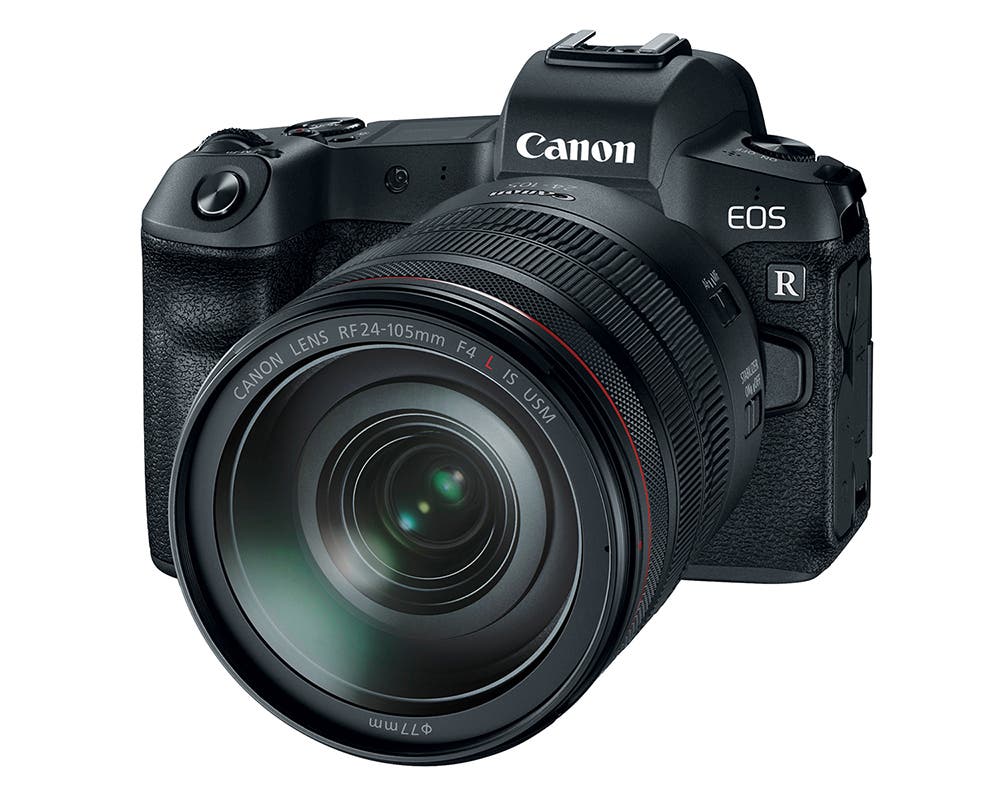

Canon EOS RCanon EOS RCanon EOS R

As Canon’s first full-frame offering in the mirrorless market, the EOS R ($2299) packs many of the most desirable features and advanced technologies that users have come to expect from mirrorless cameras—plus so much more. Aside from stunning image quality, it offers 4K video shooting, unparalleled low-light performance, and a high-speed autofocus system.

Geared toward photographers and videographers who require a high-performance imaging tool, the EOS R features a 35mm full-frame CMOS sensor (with approximately 30.3 megapixels) and the powerful DIGIC 8 image processor to capture incredible imagery with the finest details. It’s designed to perform superbly even under the most difficult lighting conditions, thanks to its ISO range of 100–40000 (100–25600 for regular video and 100–12800 for 4K) and integrated Image Stabilization.

The Dual-Pixel CMOS AF ensures ultra-fast and accurate autofocus, with a focus area of 88 percent by 100 percent and a whopping 5,655 AF points that you can manually select. Users can enjoy a focusing speed of 0.05, impressive low-light AF performance, a range of selectable AF modes, and exciting focus selection capabilities such as Touch and Drag AF, which allows the user to drag their finger on the LCD screen to select a focus point without taking their eye off the EVF.

For manual focusing, the EOS R also features Focus Peaking and Dual Pixel Focus Guide.

Other features include the 0.5-inch 3.69 million-dot OLED electronic viewfinder, a large 3.15-inch fully articulated touchscreen, a new Multi-Function bar, and the new RF lens mount.


New RF Mount


The main innovation that ties the EOS R system together is the new RF lens mount. While it retains the large 54mm diameter of the EF mount, it features a new design that allows for a much shorter distance between the rear lens element and the sensor. This helps ensure better optical performance due to the reduced refraction and light bending, resulting in high-resolution results with superb fidelity, sharpness, and clarity. Finally, the new mount has a 12-pin connection to enable high-speed communication between the camera and lens—a feature that contributes to the EOS R being a highly efficient and powerful imaging system.

Canon is also releasing mount adapters to allow the use of EF/EF-S lenses with the EOS R mirrorless camera.


EOS R RF Lenses


The EOS R System launches with four new lense

All lenses allow for precise adjustment directly on the lens itself. This is thanks to innovative features such as the new dedicated control ring for quick exposure adjustments through the EVF, as well as dials for manual focus and zooming (in variable focal length lenses).

Canon is also launching three mount adapters for use with EF and EF-S lenses:

Photograph Anything You Want

I wanted to write you this letter on how to liberate yourself in photography— by photographing what interests you rather than what you think other people will be interested. It means to make your photography more personal, and to make your photos a reflection of who you are as an individual. Remember; photos are always self-portraits of yourself, not of your subjects.

Often time, a lot of photographers ask me, “Eric— I don’t have any ideas for photo projects— how do I come up with good ideas?” I also get asked by photographers regarding advice for finding your own style in photography.

However at the end of the day, the simplest advice I would give is: “Photograph anything you want.”

Don’t fear criticism

There is always a fear that our work won’t be appreciated by others. As human beings, we fear criticism more than we value praise. Personally I know that for every 99 comments I get that are positive, 1 negative comment can put me into a sad mood.

I used to spend a lot of time asking other photographers what they thought about my work. I would also ask other photographers their feedback on some of my project ideas (whether they were “interesting” or not).

However the problem was that I would abdicate my own personal vision in the hands of others.

Not only that, but a phrase I have picked up is, “all advice is autobiographical.” Therefore the advice you get from any other photographer is based on the life history of the other person— not of yourself.

Only you have the answers; nobody else.

Follow your heart

Never take photos of what you think others would find “interesting.” Only take photos of what you find interesting.

Perhaps you might really be into taking photos of fire hydrants, buildings, or street signs. This might not be “interesting” to anybody else; but who cares? Isn’t the point of your photography to bring you personal satisfaction and happiness?

Let’s do an opposite thought experiment: imagine if you made a photo project or image that everyone else thought was incredible (but you didn’t). Let’s say you ended up winning tons of awards, got tons of money, and fame— but would you really be proud of your own photography?

Take risks

To be original in your work is to take risks. And if you truly want to be original in your work; you cannot ask other people for their opinion.

Why? If your idea is truly original— nobody will think your idea is good. When the founders of AirBnb first pitched their ideas to investors (rent your bedroom to complete strangers) — the founders were seen as crazy. A few years later, and boom— AirBnb is a multi-billion dollar company. The same goes with ride-sharing apps (could you imagine stepping into a stranger’s car 10 years ago and asking them to take you somewhere—without being worried of being kidnapped or killed?)

In the history of photography; the truly great photographers are the ones who followed their own personal vision and only photographed what they were personally interested in.

Josef Koudelka is famous for never taking on commercial assignments, and only photographing what interested him. Bruce Davidson admitted that once he started to take on commercial work — he started to lose his passion and enthusiasm for photography (because he wasn’t making photos that were true to himself).

There is a quote, “All progress belongs to the unreasonable man.” Therefore know that in trying to push your own artistic vision forward; you need to be a bit unreasonable.

In my personal opinion, I think it is better for you to craft your own lifestyle, live life to your own standards, and let the world conform to you (rather than trying to conform to the world).

The world is full of generic people, with generic lifestyles, generic jobs, and make generic photos. You are unique as an individual— why stick to the safe path, and create generic work which isn’t personally fulfilling to you? I know it might be scary; but assert your own individuality and creativity. Do what feels right to you(regardless of what others may say).

The only person to listen to

So going back to the beginning of this letter— how do you take photos that only interests you?

My suggestion: listen to your heart. Don’t feel “forced” to take photos you don’t want to. Only take photos when your heart feels compelled.

I used to believe that you had to take photos every single day— but that opinion of mine has changed. I feel it just depends on who you are as a person (some people thrive when they practice everyday; others thrive when they don’t practice something everyday).

I feel that the point of life, photography, and anything creative is to figure out who youare as an individual. “Know thyself” is the best advice I’ve gotten (that has lasted thousands of years). Nobody has the answers for you; but we do have a few guides (philosophers, master photographers, mentors) who can help point out a certain path to discover the truth for ourselves.

Be happy

If you love to photograph flowers? Go ahead and photograph them and don’t worry if your photos are going to be “boring” or “cliche.” If you love to shoot street portraits (and other street photographers tell you that isn’t “real” street photography— just take the photos anyways). Don’t put labels on your photography, and you will be truly free to do whatever you want.

What I’ve also found is that by uploading fewer photos to social media— I feel more freedom. It helps me focus on making photos that bring me personal satisfaction — and not worrying too much about what brings others satisfaction.

And what I have also discovered is that the happier you make yourself with your own photos, the more original, idiosyncratic, and personally-meaningful your work will be. And the more you please yourself in your own photos, then the more you will please your audience.

So go forth, and photograph anything you want— and don’t let anybody hold you back (not even yourself).

Always,
Eric

July 5, 2016 @ 4:26pm — LAX Airport

Source: erickimphotography.com/blog/2016/07/06/photograph-anything-you-want

9 tips for better wildlife photography

1. Learn to be a morning person! 
Early morning light, a half hour before the sun comes up, can make an ordinary image, extraordinary. The end of the day can provide warm light as well.

14 tips fotografi portrait yang tidak ingin anda lupakan

Tips membuat potret fotografi dari tombol sederhana pada pengaturan kamera Anda untuk mendapatkan foto anak-anak terliat diam.

Meskipun banyak fotografer upgrade ke DSLR yang layak untuk memberi mereka lebih banyak kendali ketika mereka mengambil potret keluarga atau foto teman-teman, mendapatkan gambar besar dari orang-orang selalu tantangan.

Perbedaan antara potret amatir dan profesional sangat luas. Jadi kami telah menyusun daftar ini dari 14 yang tips fotografi potret bagi setiap fotografer.

Kami akan mulai dengan dasar-dasar pada aperture, shutter speed dan pilihan lensa, kemudian beralih ke fokus dan teknik komposisi foto, sebelum menunjukkan kepada Anda bagaimana menggunakan cahaya alami dan reflektor untuk secara dramatis meningkatkan hasil Anda.

Kami kemudian akan membahas beberapa tips fotografi potret yang lebih maju, seperti manfaat menggunakan flashguns dan aksesoris lainnya saat pengambilan gambar potret.

8 Tips untuk fotografer dengan menggunakan kamera apapun

8 tips tentang cara untuk mengambil dan membuat gambar yang lebih baik. Untuk membuktikan bahwa ini tidak ada hubungannya dengan berapa banyak lensa yang Anda miliki, semua tips ini dapat diterapkan untuk kamera apapun, dan semua contoh gambar ditembak dan diedit hanya menggunakan ponsel saya.


Tips 1: Ajarkan diri Anda untuk mengenali cahaya yang baik

Saya menempatkan ini di depan karena saya tidak bisa menekankan cukup, dan itu sesuatu yang bisa berlatih setiap menit sepanjang hari, dengan atau tanpa kamera. Fotografi berarti, 'menulis (grafik) dengan cahaya (foto)'. Kamera Anda memiliki hanya cahaya kotak bukti yang menangkap cahaya yang masuk. Ada yang mewah, beberapa sederhana, tapi ini selalu esensi.

Ujung terbesar saya dapat memberikan Anda adalah 'belajar untuk mengenali dan menghargai cahaya yang baik', maka menangkap itu menjadi bagian yang mudah. Adalah cahaya yang masuk melalui pohon-pohon dengan cara yang indah? Apa warna cahaya? Apakah memantul dari permukaan reflektif dan melakukan sesuatu yang menarik? Apakah menciptakan bayangan yang unik? Jika Anda dapat belajar untuk melihat cahaya yang baik Anda sudah setengah jalan untuk menjadi seorang fotografer yang baik.

Cara mengajarkan fotografi hanya dengan 5 langkah oleh Cindy Reeves.

2016-01-14-1452800284-7280153-pic08.jpg

Menurut situs Cindy Reeves www.reevesphoto.com dikatakan bahwa  foto-foto Cindy Reeves adalah "semua tentang pernikahan". Gaya unik dari fotografi pernikahan telah tampil di televisi dan di berbagai publikasi, termasuk Majalah People, Pernikahan Arizona, Arizona Bride dan groom Phoenix. Cindy adalah seorang fotografer yang sangat berbakat yang mengkhususkan diri dalam mengambil foto dengan detail dan emosi untuk hari istimewa Anda saat Cindy bekerja.  sebelumnya ia bekerja di departemen Digital Imaging Arizona Republic sebagai editor foto digital selama delapan tahun sebelum bergabung dengan Reeves Fotografi sebagai fotografer profesional penuh waktu.


pada sesi ini kita akan membahas bagaimana mengajarkan cara  fotografi dalam 5 langkah mudah dan cepat oleh Cindy Reeves.

NEW! Elephone Explorer Pro action camera, Full-HD display.


Elephone Explorer Pro B


Elephone has announced to launch its second action camera, Elephone Explorer Pro. Elephone Explorer that looks like the GoPro and it can shoot 4K videos. The camera will be powered by an NTK96660 chip, Sony IMX 117 (12MP) sensor. It will be the world’s first multiple languages supported action camera. 

Xiaomi Yi. A Super Powerful Tiny Action Camera

Xiaomi Yi is Action camera with a small compact form released by the company Xiaomi. Xiaomi is known with products smartphones and tablets are relatively cheap but the quality is qualified. And it turns out Xiaomi launched its own camera product called Xiaomi Yi. This product is new because previously existing action camera on the market, but the price is far above this Yi Xiaomi.

Digital Mirrorless Camera


The rise of the mirorrlens cameras in the last few years this shows that trend different in photography .  This camera is different shape than DSLR, camera mirrorlens sleeker and easily brought to travel because of the mild and easily gripped. Canon  which has dominated global camera sales for the last 13 years  has almost completely missed this trend. 

Global mirrorless camera sales were up 16.5 percent this year, while DSLR sales were down 15 percent. Yet Canon has just one line of mirrorless camera to its name, the Canon EOS M series, and it's done a poor job of cultivating these cameras since their inception in 2012. (For instance, the company has somehow only afforded them a very meager lens lineup for the M series, even though Canon's DSLR lens system is reputable and vast.) Canon has largely missed another recent trend, too, which is the application of retro film camera stylings on modern camera bodies.

6 must-have travel photography apps for iOS and Android

While we love Instagram, there’s more to life than plopping a Valencia filter on your photos. Whether you’re looking to enhance pictures with fun graphics, have better storage options, or take DSLR-quality photos, there’s an app for that. Below are some of the hottest new photo apps to help you capture and archive your journey:

1. Bevy (iOS & Android; $349+). The reason this app is so expensive is that it requires you to invest in the wireless storage device it pairs with. That being said, if you travel as a group and want to easily sync your photos and videos, it could be a great investment. The app collects media from everyone in the group and stores it offline on the device without the need for manual backups. While pre-orders are sold out, Bevy officially launches in October.

11 of the Most Interesting Lenses in the History of Photography

11 of the Most Interesting Lenses in the History of Photography
For almost two centuries, the science and art of photography has allowed people to capture the world around them through carefully crafted lenses. However, not all lenses are created equal. While most lenses just aim to please, others aim to impress. Today, we are taking a look at some of the most exotic lenses we could find.

#1. Lomography Petzval Portrait Lens: Creamy Bokeh
The Petzval lens has been in the spotlight since Lomography resurrected it in 2013 via KickStarter. The original glass, however, was developed in 1840 by Joseph Petzval. The lens itself is comprised of two doublet lenses and a Waterhouse aperture. The result is a lens with an extreme drop off in sharpness at the edges and a unique creamy bokeh. Lomography currently sells the glass starting at $599.

Sony a7RII

The Sony a7 series of cameras has been wildly popular in the last few years and has certainly stirred the mirrorless versus DSLR debate, along with other popular cameras like the Fujifilm X-T1. I'm not here to reignite that debate, at least not intentionally. Most cameras these days, mirrorless or DSLR, are incredibly advanced and capable machines that will give excellent images in almost any situation when used correctly. Of course, some excel where others fall short, but nonetheless, camera performance is at a remarkably high level.

I've always been intrigued by mirrorless offerings; features like WYSIWYG (what you see is what you get) viewfinders and the beautiful colors of Sony and Fuji sensors were quite tempting, but I never sold off my Canon kit and took the plunge for two reasons: lens availability and AF speed. Sony's lens lineup hasn't been particularly well filled out for this system and while most standard lenses have begun to appear, specialty portrait lenses, super telephoto, and higher-end low light zooms have been lacking. This really limits the native abilities of the system. On the other hand, Fuji has been releasing lenses at a blistering rate, but unfortunately, the APS-C sensor takes it out of the running for me. That's not to say it's not a great sensor, but as someone whose work frequently requires high four-digit and occasional five-digit ISOs, I just couldn't sacrifice a full-frame sensor (though I will say the high ISO performance of the X-T1 is highly impressive for the sensor size).

3 ways to turn your iPhone into a professional-grade camera

Summer is here, which means you have the opportunity to capture priceless moments at the family reunion, barbecues, sports events and other fun gatherings. You just need a camera.
Spending thousands on an expensive camera, however, is completely unnecessary when you have a powerful photography tool in the palm of your hands, literally. Your trusty iPhone is packed with cool features to help you take stunning photos in a flash.

From aligning your pictures perfectly to making sure you capture the best picture possible, Apple's iconic smartphone can do it all.
I'm here to bring you a few tips that can really enhance the pictures you take with your iPhone. Once you try them out, you'll wonder how you had ever gone without them.

Panasonic G7 review

Panasonic has introduced the Lumix G7 to replace the G6, and it sits just below the Panasonic GH4 – but alongside the GX7. That’s a lot of G numbers, but basically, the Panasonic G7 is the company’s mid-range compact system camera.

The Panasonic G7 features the same sensor as the GX7, which seems to be Panasonic’s flagship sensor. With 16 million pixels, it has the same resolution as the G6, but the sensor itself is newer (although it is still two years old).

There’s also now the same Venus Engine 9 which is found in the GH4, which, according to Panasonic means that the combination produces the best image quality of any Panasonic camera to date.

The new processor also means that native sensitivity range has been boosted from ISO 200 – 25,600, with an expansion setting of ISO 100. The G6 could only shoot at 25,600 in an expansion setting, so there’s a good chance that image quality at the higher end of the spectrum has been improved

Full resolution continuous shooting is possible thanks to the quad-core CPU for fast processing. Up to 8fps is available in Single-AF mode, or 6fps in Continuous AF mode. The Panasonic G6 was capable of 7fps and 5fps, respectively.

However, the big news with this camera is the new 4K modes, which should have lots of appeal to both videographers and stills photographers. Shooting at 4K continuous allows you to shoot at 30fps and extract the frame you need.

This means however that resolution drops to 8 million pixels, but this is still large enough to create A4 prints. There are a variety of different 4K shooting modes to choose from, and it can be utilised in any exposure mode (such as aperture priority or shutter priority).

The same depth from Defocus (DFD) system as first seen in the GH4 has also been added to the Panasonic G7. It uses lens data and the contrast of a scene at two different focus points to help it determine an accurate focus speedily. Focus speeds of just 0.07 seconds are claimed, which is roughly half the time the G6 takes.

In what may be seen as a fairly unusual move, Panasonic has included only Wi-Fi connectivity for the Panasonic G7, ditching the NFC as found in the G6.

Photography tips for kids

With the advent of phones that can be used as cameras and online picture-sharing sites like Instagram and Tumblr, everyone can start snapping. While easy tools are encouraging us to think about photography in new ways, there is now a generation of kids (and their grown-ups) keen to learn more about using a camera or a phone to take great pics. Use the school holidays to explore "life through the lens" with these ideas to inspire budding photographers.

Travel Photography 101: tips for better shots this summer

Perhaps you too love taking great images. But, if you’re like most budding photographers, you’re often disappointed with the results. (Don’t worry, professionals suffer many disappointing moments as well!). Some of the most common mistakes? Blown out skies. Soft focus. Tilted horizon lines. Underexposure. Distracting elements. And inaccurate colours. Here are a few tips that address these issues … and more. Because, in my opinion, it’s better to take one amazing image than 100 poor ones.

    Shoot In Good Light — It’s been said a million times before, but shooting in the early mornings (yes, that sometimes means getting up at 5 a.m., or earlier!) and late evening — when golden, low-angled light provides beautiful shadows and detail — is critical for good outdoor photos. If you really want nice photos, especially nature and landscapes, avoid the harsh, mid-day light at all costs. And just a simple tip for shooting people — get them in the shade!

Don't buy the Fujifilm X-T10 if you will only leave it in automatic mode

Don't buy the Fujifilm X-T10 if you will only leave it in automatic mode. You'd be wasting your money and missing the camera's entire appeal.

The X-T10 is for people who understand (or want to learn) the intricacies of manually adjusting camera settings. At $800 for the body and $1,100 with an 18-55mm kit lens (what I tested), it's built for professionals who abhor touchscreens and love physical buttons and dials.

The Nikon P900 digital model could be your last camera

NIKON P900 - Price about $599.95
Perhaps the last camera you’ll ever buy
The Nikon P900 is a bridge camera, meaning it’s a step beyond the pocket camera but not yet a full-blown digital single-lens reflex camera.

Leica's Q camera is beautiful, expensive and totally worth it

Leica is known for making cameras that are too expensive for most people. Its latest one, the Leica Q (Typ 116), is no exception. You can tell a lot about its high value simply by glancing at it; the gorgeous magnesium alloy and matte black finish makes it look exquisitely premium. There are also little details around the chassis to make you further appreciate its design, including an area that allows your thumb to rest comfortably while you're shooting. At roughly 23 ounces (640 grams), the Q isn't exactly lightweight, but doesn't feel heavy either -- its mass is distributed perfectly throughout. But OK, enough about the appearance. How does this $4,250 camera actually perform in the real world?

WHY SMARTPHONE PHOTOGRAPHY STINKS

From : http://www.diyphotography.net/smartphone-photography-stinks/
Right off the bat, I hate the act of opening an app just to take a photo.

I hate searching for the app with all the other apps, I hate the amount of time it takes for the camera app to open and I really hate how often I accidentally close the app or open the wrong app or some other app by accidentally tapping the wrong place on the screen.